When people think about fibre, they often only associate it with constipation. However, fibre can play an important role in managing a wide range of IBS symptoms, including bloating, diarrhoea, and overall gut health.
The tricky part is that many high-fibre foods also contain FODMAPs, which can make increasing fibre intake feel confusing when you are following the low FODMAP diet.
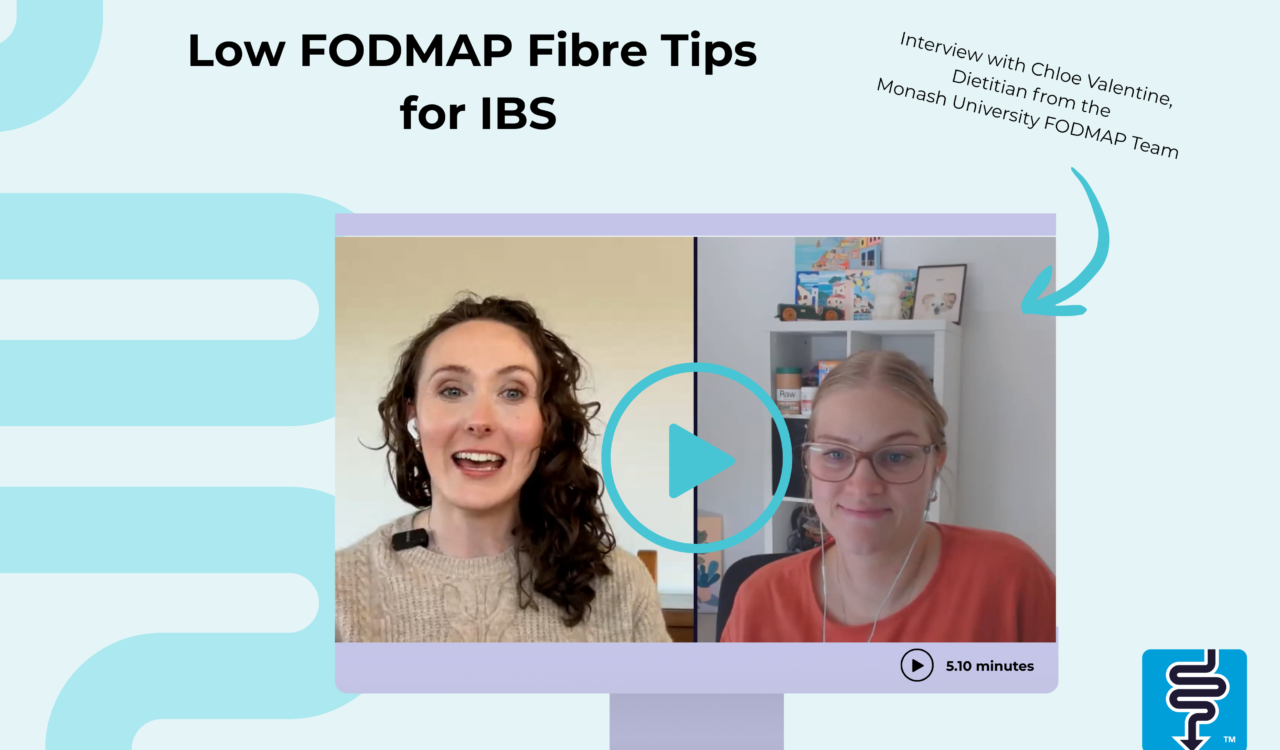
We recently sat down with research dietitian, Chloe Valentine from the Monash University FODMAP team to talk about simple low FODMAP ways to increase fibre, when fibre supplements may be useful, and which types tend to be better tolerated for people with IBS.
Why Fibre Matters For IBS
Fibre helps support healthy digestion and can play a role in:
- Improving stool consistency
- Supporting regular bowel movements
- Feeding beneficial gut bacteria
- Helping you feel fuller for longer
- Supporting long-term gut health
However, increasing fibre too quickly or choosing the wrong types of fibre can sometimes worsen symptoms temporarily, especially for people with sensitive guts. That is why a gradual and balanced approach is important.
Simple Ways To Increase Fibre On The Low FODMAP Diet
Chloe explained that there are still plenty of ways to include fibre-rich foods during the first phase of the low FODMAP diet.
Some of the best places to look include:
- Whole grains
- Fruits
- Vegetables
- Legumes
The key is choosing foods and serving sizes that remain low FODMAP.
Use Trusted Low FODMAP Resources
One of the easiest ways to build more fibre into your meals is by using trusted low FODMAP recipes and checking serving sizes in the Monash University FODMAP Diet App.
At A Little Bit Yummy, we also have a high-fibre recipe filter under ‘nutritional focus’ in the recipe area that can help you find recipes specifically designed to boost fibre intake while staying low FODMAP.
Can You Eat Legumes On The Low FODMAP Diet?
This surprises a lot of people. Legumes are often labelled as “high FODMAP,” but many canned legumes actually have low FODMAP serving sizes that can still be included during the first phase.
Examples include:
- Canned chickpeas
- Canned lentils
- Canned cannellini beans
The canning process changes the FODMAP content, which is why smaller low FODMAP serves are possible. You can find the low FODMAP serving sizes in the Monash University FODMAP Diet App.
Which Fibre Supplements Tend To Be Better Tolerated?
Sometimes people struggle to get enough fibre from food alone. In these situations, a fibre supplement may be useful alongside dietary changes.
According to Chloe, some fibre supplements tend to be better tolerated by people with IBS than others.
Psyllium husk is one of the most commonly recommended fibre supplements for IBS. It is widely available in supermarkets and is often well tolerated when introduced gradually.
Partially hydrolysed guar gum (PHGG) is another fibre supplement with growing evidence behind it for IBS symptom support. It is often considered gentler on sensitive digestive systems.
Other Fibre Supplements that could fit on the low FODMAP diet include Sterculia, Methylcellulose, ground linseed/flaxseed (small serves only), or you can increase your intake of rolled oats (½ cup is low FODMAP).
As always, if you are in the first phase of the low FODMAP diet, then make sure you check for low FODMAP serving sizes and avoid products with high FODMAP ingredients.
How Should You Introduce Fibre Supplements?
This is where many people run into trouble as having too much fibre too quickly can sometimes lead to increased gut symptoms. Instead the goal is to start low and increase slowly:
- Start with a small amount – Around ½ teaspoon to 1 teaspoon
- Increase water intake at the same time
- Increase the amount of the fibre supplement slowly over several days or weeks
This gives your digestive system time to adjust.
Increase Water Intake Too
One of the most important things to remember when increasing fibre is to also increase your fluid intake. Without enough water, fibre supplements can sometimes worsen constipation instead of helping it. The goal is to create soft and easy-to-pass stools.
Fibre Changes Take Time
One final point Chloe and Alana both highlighted is that fibre does not work overnight. Whether you are increasing fibre from food or using a supplement, it can take several weeks before you notice meaningful improvements. That means consistency and patience are important.
Final Thoughts
Fibre can be an important part of managing IBS symptoms, even during the first phase of the low FODMAP diet.
Simple ways to increase fibre include:
- Adding more low FODMAP fruits and vegetables
- Including suitable whole grains
- Using low FODMAP serves of canned legumes
- Choosing trusted high-fibre low FODMAP recipes
For people who struggle to meet their fibre needs through food alone, supplements such as psyllium husk and PHGG may also be helpful, but the key is to introduce them slowly and also increase your fluid intake. Small and consistent changes are often much more effective than trying to overhaul everything overnight.









Leave a Reply