We know so many people who have cut gluten from their diet because they believe it’s the reason for their gut problems. But for many with irritable bowel syndrome (IBS), gluten might not actually be the issue. Instead, something else in wheat could be to blame.
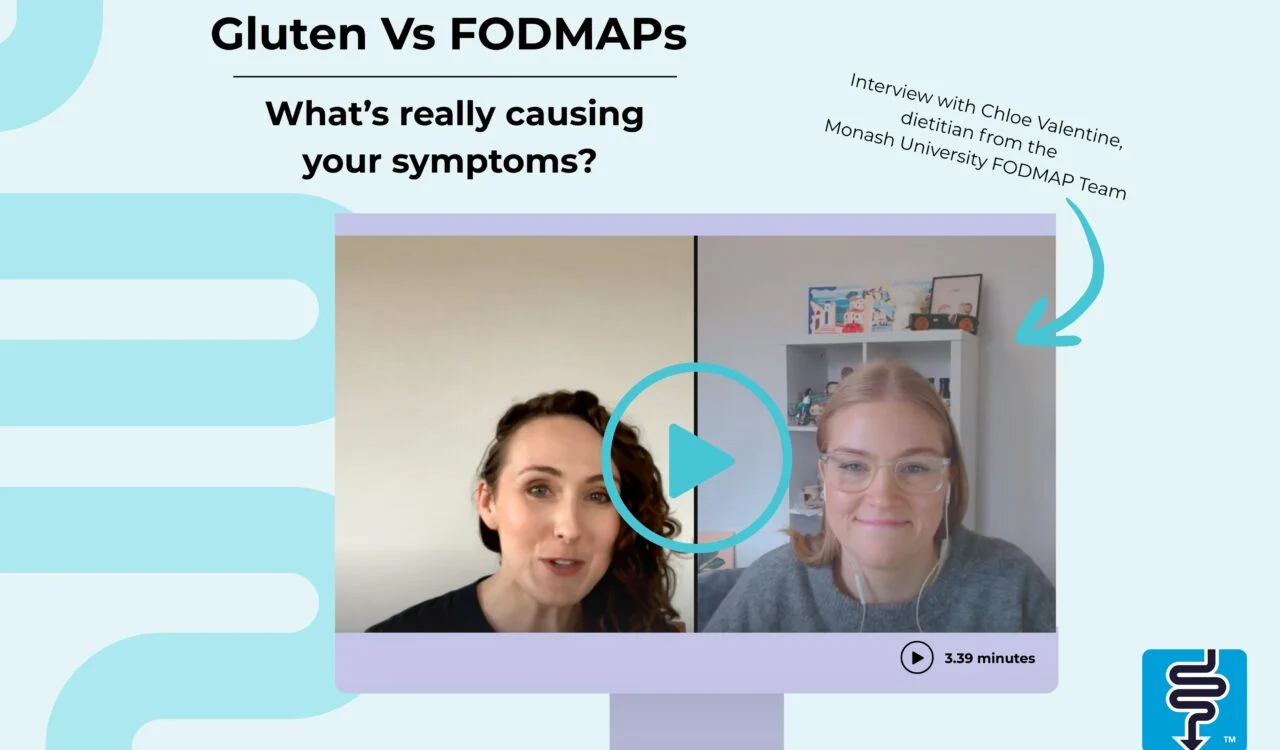
To understand what’s really going on, we spoke with Chloe Valentine, a research dietitian from the Monash University FODMAP Team, to explore the difference between gluten and FODMAPs.
Is Gluten Really the Problem?
Gluten is a protein found in grains such as wheat, rye and barley. It gives bread its structure and chewy texture. It’s important to note that gluten isn’t a carbohydrate, which means it’s not a FODMAP.
People with IBS often react to FODMAPs. These are short-chain carbohydrates that can be difficult for the gut to digest. Wheat, rye and barley contain a FODMAP group called fructans, which belong to the “O” for oligosaccharides in the FODMAP acronym.
When fructans reach the large intestine, they are fermented by gut bacteria. This process produces gas and draws water into the bowel, which can cause bloating, discomfort and changes in bowel habits. For some individuals with a sensitive gut, even small amounts of fructans can trigger symptoms.
If you’ve been diagnosed with IBS, we’d suggest reducing your FODMAP intake before blaming your symptoms on gluten.
FODMAP Sensitivity vs Coeliac Disease
These are two very different conditions:
- IBS and FODMAP sensitivity involve a highly sensitive gut that reacts to high FODMAP foods. FODMAPs like fructans can cause unpleasant symptoms, but they don’t damage the gut.
- Coeliac disease is an autoimmune condition triggered by gluten. When someone with coeliac disease eats gluten, their immune system attacks the lining of the small intestine, causing inflammation and long-term damage.
These two conditions have similar gut symptoms, so it’s essential to get tested for coeliac disease before starting a gluten free or low FODMAP diet. If you remove gluten too early, it can make test results unreliable and delay proper diagnosis. You can find out how to do a low FODMAP gluten challenge here.
Do You Need to Cut Out All Wheat?
The good news is that if you have IBS, you usually don’t need to completely remove wheat from your diet. Many wheat-based foods can fit into a low FODMAP diet in small portions.
For example:
- One slice of white wheat bread is considered low FODMAP
- A small serve of wheat pasta can also be low FODMAP
It’s all about serving size and how much you eat. The Monash University FODMAP Diet App is a great resource to help you find low FODMAP foods and serving sizes that work for your gut. With the right guidance, you can still enjoy foods you love while managing your symptoms.
How to Tell Whether Gluten or FODMAPs Are the Issue
If you’re unsure whether gluten or FODMAPs are the cause of your gut symptoms, start by talking with your doctor or dietitian. They can:
- Rule out coeliac disease with a simple blood test
- Help you try a structured low FODMAP elimination and reintroduction process (we can help you with this too, in the FODMAP Made Easy program)
- Identify whether your body reacts to fructans, lactose, polyols or other FODMAP groups
This step-by-step approach helps you understand your true food triggers and build a more flexible diet in the long term.
Key Takeaways
- Gluten is a protein, not a FODMAP
- Fructans in wheat, rye and barley can trigger IBS symptoms
- Coeliac disease is an autoimmune reaction to gluten that damages the gut
- IBS symptoms come from gut sensitivity and fermentation, not damage caused by the immune system
- Many wheat-based foods can be enjoyed in small low FODMAP serving sizes
- Always get tested for coeliac disease before cutting out gluten
Final Thoughts
If you’ve been wondering whether gluten or FODMAPs are behind your bloating, gas or gut symptoms, it’s worth taking a closer look at the carbohydrates in your diet rather than the protein in wheat, rye and barley. Understanding the difference between gluten and FODMAPs can help you make informed choices and enjoy a more balanced diet without unnecessary restrictions.








Leave a Reply