When you are following a low FODMAP diet sometimes the portion sizes can feel frustrating. You finally find foods that make your gut feel good, then you realise the serving size is tiny and you are still hungry afterwards.
The good news is that not all low FODMAP foods are limited to small portions. There are plenty of ingredients you can eat in larger amounts to help bulk out meals without overdoing the FODMAPs.
Below are our favourite low FODMAP add ins to build bigger and more filling meals while keeping the FODMAPs in check.
Load up on vegetables that stay low FODMAP in large servings
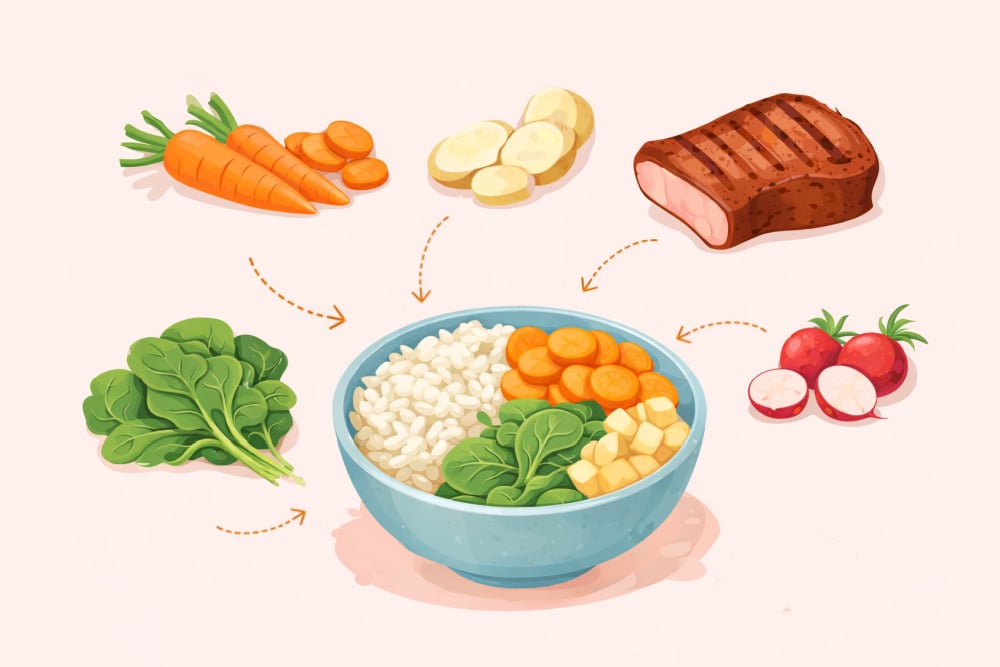
Vegetables are a brilliant way to add volume, fibre and colour to your plate. While many vegetables have strict serving size limits, some remain low FODMAP in very generous servings (up to 500 g / 17.6 oz cooked).
Vegetables that are low FODMAP in large servings:
- Parsnips
- Carrots
- Regular white potatoes (not sweet potatoes/kumara)
- Radishes
- Choy sum
- Collard greens
- English spinach
How to use them
- Mix these options with low FODMAP servings of other vegetables like capsicum/pepper, tomato, cucumber, eggplant, green beans and more. See the Monash University FODMAP Diet App for more information on serving sizes.
- Roast big trays of carrots and parsnips to add to bowls, salads and wraps
- Mash or bake potatoes as a hearty side
- Stir fry choy sum or English spinach and pile it high
- Add grated carrot to meatballs, patties and pasta sauces
These veggies help make meals feel satisfying without pushing your FODMAP limits and are great for your gut health.
Use low FODMAP grains and starches to fill up
Carbohydrates play an important role in gut health and energy. Luckily, there are lots of low FODMAP options that remain low FODMAP in large 500 g / 17.6 oz serving sizes when cooked.
You can add a few more mouthfuls of these grains and carbohydrates to your meals:
- Rice (white, brown, basmati, jasmine, sushi, arborio, bomba)
- Black quinoa
- White quinoa
- Millet (excluding pearl millet)
- Cous cous made from maize (corn)
- Mung bean noodles
- Rice noodles and rice vermicelli
- Pasta made from rice and corn
- Gnocchi made from potato and rice
- Hard taco shells (made from corn)
- Tapioca pearls
How to use them
- Add extra rice or quinoa to bowls and stir fries
- Make pasta salads with rice and corn based pasta
- Use potato and rice gnocchi as a base for veggie-packed sauces
- Build hearty noodle soups and stir fries
- Bulk out tacos with extra corn shells and fillings
Increase your protein portions
Protein is naturally low in FODMAPs providing it hasn’t been marinated in any high FODMAP sauces or seasonings. This means you can increase your protein portion to help you feel fuller for longer.
Low FODMAP protein options:
- Chicken
- Turkey
- Beef
- Lamb
- Pork
- Fish and seafood
- Eggs
How to use them
- Add an extra chicken breast to stir fries
- Increase fish portions in salads and bowls
- Add extra eggs to omelettes
More protein can help stabilise blood sugar and reduce the urge to snack.
Important note for vegan options:
Most plant proteins contain FODMAPs depending on the portion size and processing, so we recommend checking your serving size in the Monash University FODMAP Diet App before increasing your serving size.
Build a balanced and filling plate
If you are feeling hungry then we recommend focusing on creating balanced meals that have a mixture of protein, fibre, carbs, healthy fats, and ideally lots of veggies. When bulking out meals, we recommend aiming for half a plate of low FODMAP vegetables, ¼ plate of low FODMAP grains/carbohydrates, a palm sized piece of protein (you can add more if you are super hungry), and a source of low FODMAP fat like a drizzle of olive oil or a low FODMAP serving of avocado (added bonus – this increases the anti-inflammatory properties of your meal too!). Add a fun sauce or dressing to keep the meal interesting.
The balanced plate method helps you eat a wide variety of foods to boost your nutritional intake and can make things easier for your digestive system.
If you are struggling to create low FODMAP meals then check out our low FODMAP Recipe Club which has over 1200+ low FODMAP recipes and meal ideas. As a member you can also contact our FODMAP experts if you need extra support creating your meals.
Can I add more of these foods to A Little Bit Yummy recipes?
We try to make sure our serving sizes are generous. However, if you are feeling hungry after our meals then you can add a few more bites of any of the above options to our recipes without overdoing the FODMAPs.
Final Thoughts
Following a low FODMAP diet does not mean you need to eat tiny meals or leave the table feeling hungry. By choosing the right vegetables, grains and proteins, you can build delicious meals that satisfy your body. If you need more support with the low FODMAP diet, then check out our FODMAP Made Easy program.






Always need inspiration. Thank you, sometimes I do need a more filling meal and a reminder of the simpler things to do this!
Could you please state whether meals are able to be frozen as, being single, the meals are too large.
Hi June,
Thanks for commenting. In the recipe search area we have a ‘freezer friendly’ search filter under ‘Dish Type & Cuisine’ heading – when you use this heading it will help you find more recipes that are freezer friendly. You can also scale a lot of our recipes down to a single serve (or make 2 servings and eat the additional serve the next day). We also have a lot more freezer friendly options in our Recipe Club membership.